Room for One More (1952)
[7]
Cary Grant already has three children and little time alone with his wife (Betsy Drake), but that doesn’t stop her from bringing home a few troubled foster children. Room for One More is a sweet comedy with just enough dramatic heft. Grant (at his droll, beleaguered best) and Drake have some great exchanges, especially after one of their boys inquires where babies come from. Grant draws the figure of a woman in the sand and explains. Drake then comes along and asks what the drawing is.
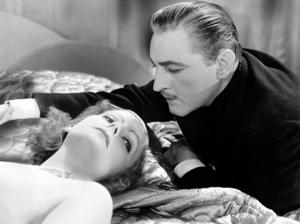
Grand Hotel (1932)
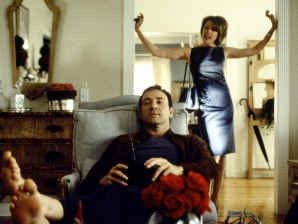
American Beauty (1999)
[5]
SPOILER REVIEW
I really liked American Beauty when it was first released. Maybe I was wooed by its quirky introspection and aesthetic achievments. Or maybe it was screenwriter Alan Ball’s fresh new way of blending the real with the surreal. Or even the meditative lilt of Thomas Newman’s trend-setting score. But whatever the reason(s), watching the film ten years later, I realize — American Beauty ain’t all that. It’s kinda whack.
Alexander (2007)
[6]
Oliver Stone’s epic bio of the Macedonian military legend, like so many pet projects, is a glorious mess of a movie. The screenplay goes back and forth in time, mixing scenes of Alexander’s youth with scenes of his conquests. The result is jarring, never allowing you to get to know the character in any time. The narrative also relies far too much on Anthony Hopkins’ narration to explain what is going on. Stone has an Academy Award for writing Midnight Express, but his writing on Alexander seems like the clunky work of an amateur.
Pocket Money (1972)
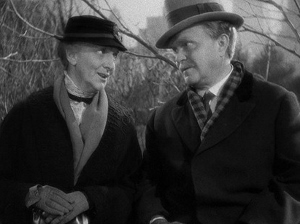
Make Way for Tomorrow (1937)
[8]
Leo McCarey won the best director Oscar for The Awful Truth, released the same year, but told the Academy they’d awarded him for the wrong picture. He may be right. Make Way for Tomorrow is a disarming, bonafide love story between an elderly couple (Victor Moore and Beulah Bondi) who are forced to separate when the bank forecloses on their home. The film is remarkably restrained and unsentimental for its time. The characters constantly mask their true feelings, fending off melodrama by acting against our immediate expectations.
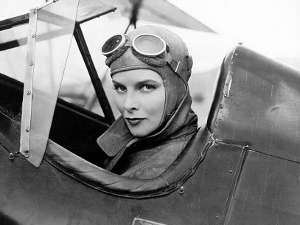
Christopher Strong (1933)
Green Mansions (1959)
Ninotchka (1939)
[7]
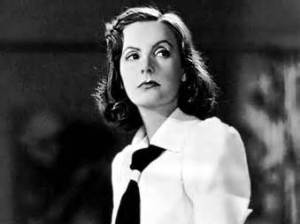
It’s fun to watch Greta Garbo defrost in Ninotchka. She plays an oh-so-serious Russian sent to Paris to straighten out the sale of some allegedly stolen jewels. Melvyn Douglas gets in her way. At first, he’s an annoyance, but a curious one. Her no-nonsense attitude toward him makes for a unlikely cinematic romance. The highlight of their courtship is a restaurant scene where Douglas is determined to make Garbo laugh. He tells joke after joke to no affect. Then Douglas leans back too far in his chair and falls on his ass. This results in one of the most joyous reaction shots from the Golden Age of Cinema.