[10]
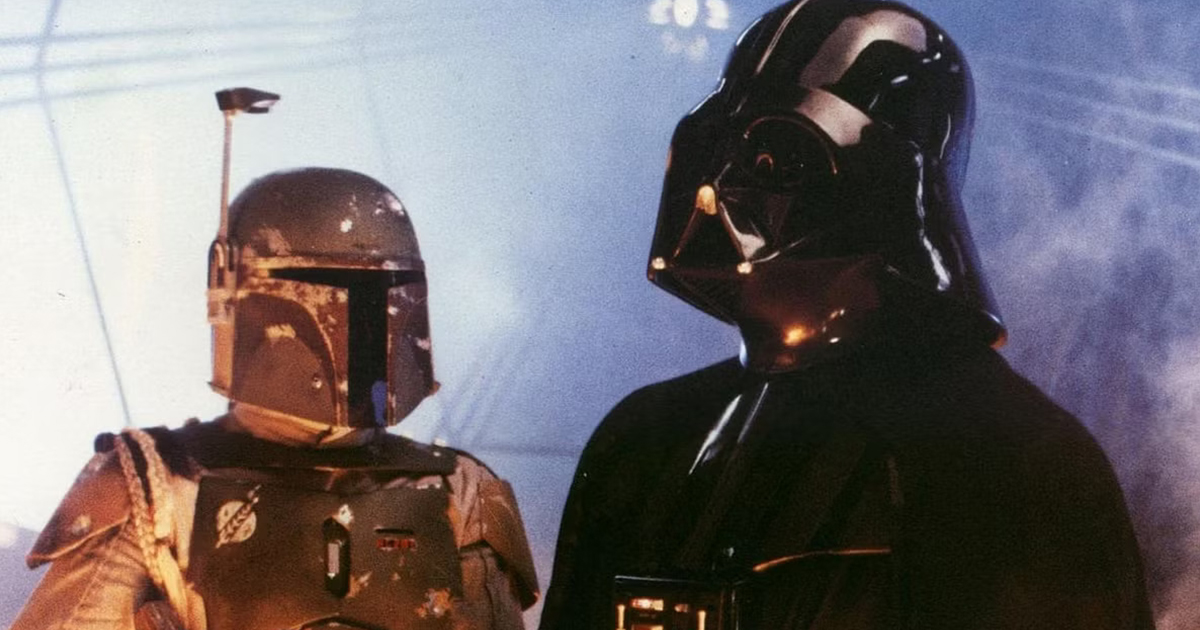
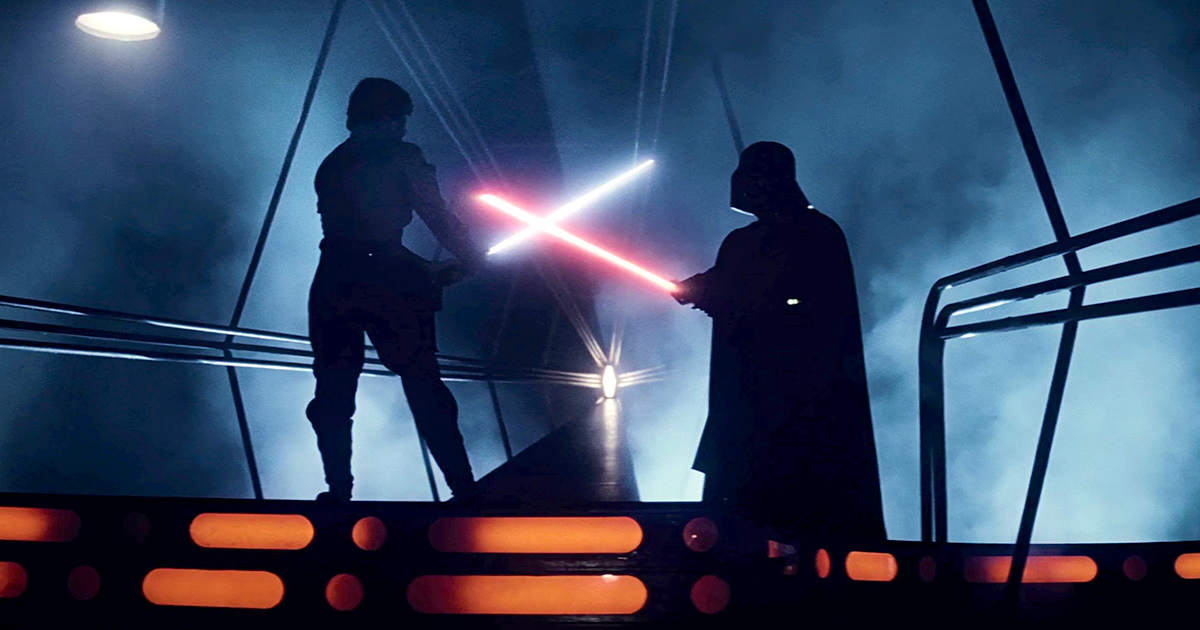
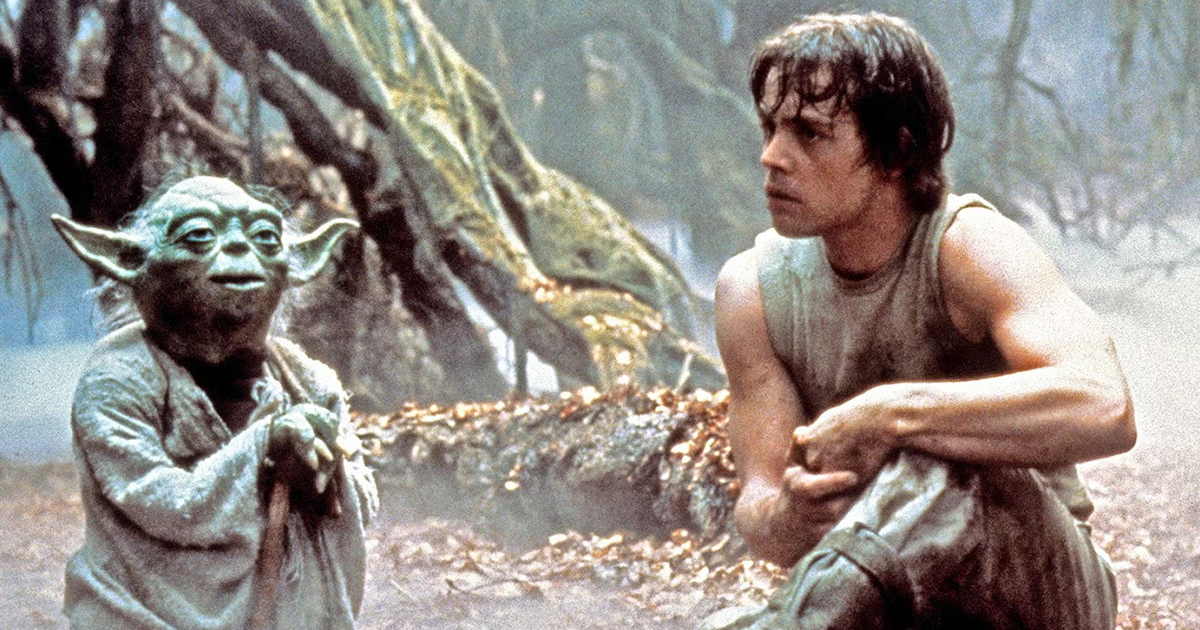
After deciding directing wasn’t his favorite thing to do, George Lucas enticed his former film school teacher Irvin Kershner (Eyes of Laura Mars, Return of a Man Called Horse) to helm the dark second act of his historic Star Wars trilogy. The Empire Strikes Back is essentially one long chase movie, as Darth Vader pursues Luke (Mark Hamill), Han (Harrison Ford), and Leia (Carrie Fisher) across the universe — from their secret base on a planet of ice to a hovering city in the clouds. The story gives Luke a chance to visit the swamp planet of Dagobah, where he finds the diminutive Yoda (puppeteered and voiced by Frank Oz), a Jedi Master who begins training Luke to follow in the footsteps of Obi-wan Kenobi (Alec Guinness).
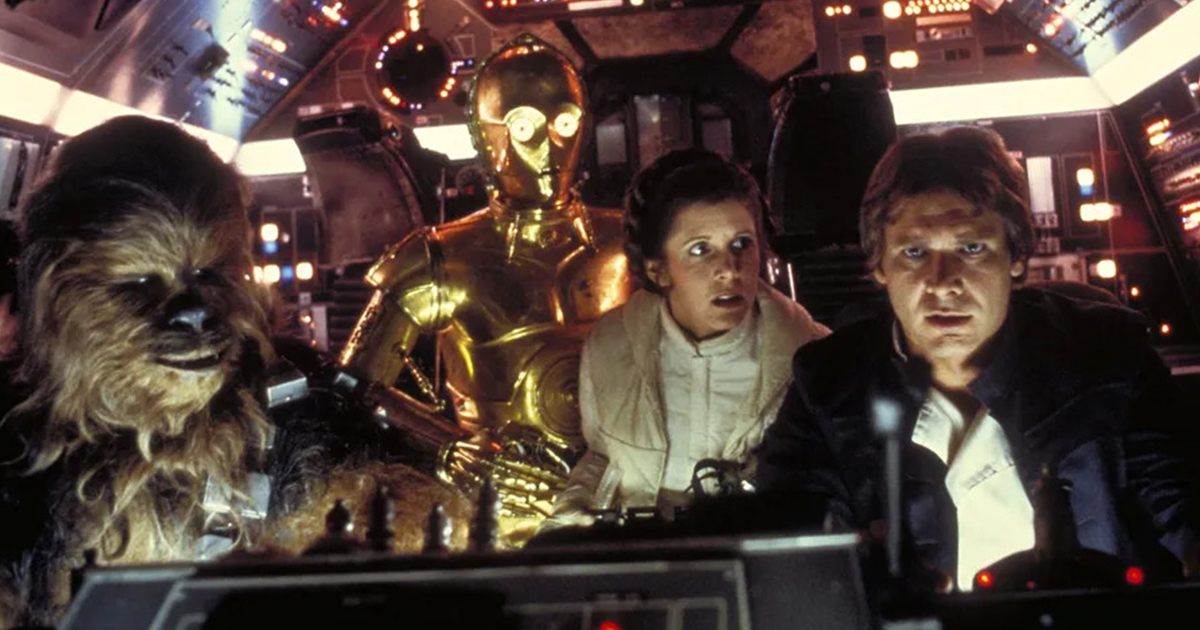
Empire slows the pace a tad, but in the best way possible, giving audiences a chance to soak in the fantastic setting and its potpourri of exotic characters a little more than the first film did. Screenwriter Lawrence Kasdan (Body Heat, The Big Chill) mines the dramatic potential of Lucas’ story. Lucas’ characters have never been more appealing than they are in Empire. Han and Leia’s bickering turns into a full romance, while Luke’s eagerness and naivete come back to haunt him in a climactic showdown for which he’s sorely unprepared. Empire is an atypical Star Wars movie in that the action is largely front-loaded, leaving old-fashioned drama to sustain the back half of the movie. The film transforms from a mere genre flick to a grand space opera when Darth Vader captures and freezes Han before devastating Luke with one of cinema’s most shocking revelations: “I am your father.” The original trilogy never gets more dramatically engaging than this.
Kershner took longer to shoot Empire and went over-budget in the process, but the extra effort and expense results in the most beautifully executed Star Wars film of them all. Peter Suschitzky’s photography is far more elegant and purposeful than the flat, documentary-style look of the first film, and composer John Williams delivers the single-greatest film score ever recorded. (You heard me.) Upon release, the film contained the most advanced and prolific use of visual effects, and introduced the world to the most realistic and convincing puppet character we’d ever seen before. Truly alive, Yoda was.
The Empire Strikes Back famously ends with a cliffhanger: Luke loses a hand in his fight with Vader and curses Obi-wan for never telling him about his parentage. Han Solo has been kidnapped by the bounty hunter Boba Fett. And the rebel fleet is still in peril of being snuffed out by the Empire. It was an audacious way to end a major motion picture in 1980, but it created a hunger for resolution that would last three long years until Return of the Jedi.
I was only six years old when I first saw The Empire Strikes Back, and it was one of my most significant childhood experiences. It’s the film that made me fall in love with movies and filmmaking — the spark that set me off on one of my life’s most significant journeys. I’ve seen it more times than any other film and it continues to fascinate and inspire me. Like all first loves, it will always be incredibly special to me.
With Billy Dee Williams as Lando Calrissian, an old chum of Han Solo’s, and Anthony Daniels returning as C-3PO.
Academy Awards: Best Sound, Special Achievement in Visual Effects
Oscar Nominations: Best Score (John Williams), Best Art Direction