Thoroughly Modern Millie (1967)

Thoroughly Modern Millie (1967)

[6]

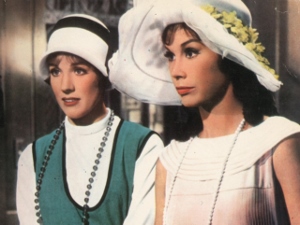
Julie Andrews stars in this 1920s madcap musical as the title character, a woman looking to land a job and a husband in the big city, but ends up embroiled with a nefarious white slave trader! Mary Tyler Moore is underutilized as the woman Millie has to rescue from slavery, but Carol Channing chews the scenery in a bizarre Oscar-nominated performance only she could have pulled off. The musical numbers are a little unrelated to the storyline and they do go on a bit long, but there aren’t many numbers in the movie, and I believe they’re all over before the intermission. After the intermission, things move very quickly. Director George Roy Hill (The Sting, Butch Cassidy and the Sundance Kid) stretches out of his comfort zone so well, the last half-hour will have you wondering if Blake Edwards took over the film. It’s an intentionally silly, over-the-top sort of movie that pays off better than most of its sort.

Reflections in a Golden Eye (1967)

Reflections in a Golden Eye (1967)

[7]

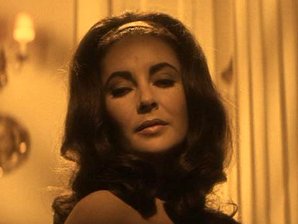
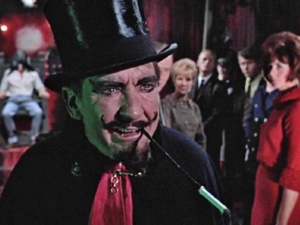
Director John Huston unites Marlon Brando and Elizabeth Taylor for their only screen pairing in this adaptation of the perverse Carson McCullers novel. Brando plays a sexually repressed Army major who turns a blind eye to his wife’s (Taylor) extramarital affair while simultaneously finding himself drawn to a mysterious young cadet who spends his days running naked through the woods and his nights as a peeping tom. The provocative subject matter is well handled by Huston, whose only missteps are bathing the entire film in a piss-yellow hue and whiplash-inducing camera movement in the film’s final, climactic shot. Good performances from Brando, Taylor, and supporting stars Julie Harris and Robert Forster.

Bonnie and Clyde (1967)

Bonnie and Clyde (1967)

[9]

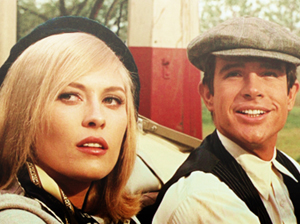
Warren Beatty and Faye Dunaway star as the legendary real-life bank robbers in Arthur Penn’s volatile Bonnie and Clyde. With its anti-hero point of view and graphic violence, this film helped lead the charge for grittier, more realistic fare that cropped up throughout the ’70s. While the film certainly sensationalizes the criminals, it also humanizes them. It’s easy to see how a bored waitress like Bonnie Parker would fall for a handsome bad boy like Clyde Barrow (I mean, who wouldn’t get in a car with smoking-hot Warren Beatty?) And since the two only robbed banks, they became folk heroes to a working class destroyed by foreclosures. I also like that the film suggests Clyde is impotent. It’s refreshing to see a tough guy with flaws and foibles, and it also makes the romantic relationship more interesting than most.