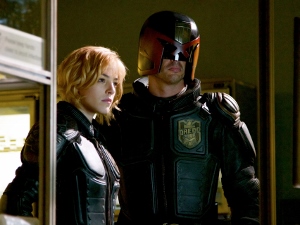
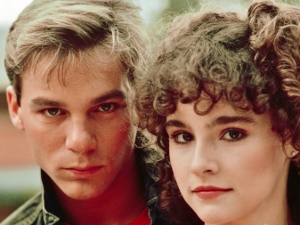
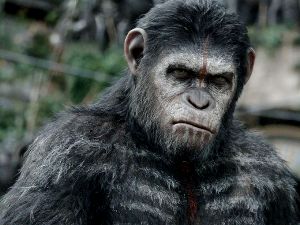
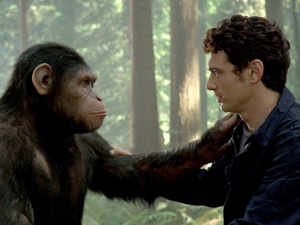
The Last American Virgin (1982)
Dawn of the Planet of the Apes (2014)
Rise of the Planet of the Apes (2011)
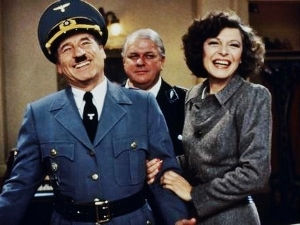
To Be or Not To Be (1983)
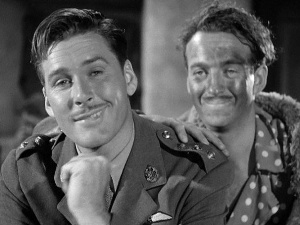
The Dawn Patrol (1938)
[8]
Errol Flynn and David Niven star as World War I pilots confronting the grimmest odds of survival in this exciting and moving remake of Howard Hawks’ 1930 original. With its wartime setting and nary a woman in the cast, The Dawn Patrol is another great bromance in the grand tradition of war stories — it’s all about camraderie, brotherhood and sacrifice.
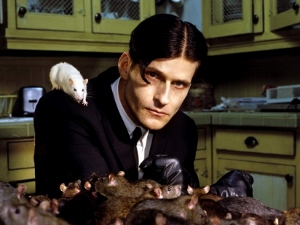
Willard (2003)
[8]
In this remake of a 1971 film, Crispin Glover (Back to the Future, River’s Edge) stars as the title character, a socially misfit momma’s boy with a telepathic connection to the colony of rats collecting in his basement. With his bed-ridden mother and condescending boss constantly picking at his self-esteem, it’s just a matter of time before Willard snaps and sends his army of furry friends to do his bidding. But the rats are a bit like the genie out of his bottle, which complicates this straight-forward little story quite nicely. Willard sews discord into his rat army by favoring the adorable white rat, Socrates, over the very large and envious Ben. So it’s a love/hate relationship between Willard and the rats, and though they may leap at the opportunity to murder for their master, they may also end up being his undoing.
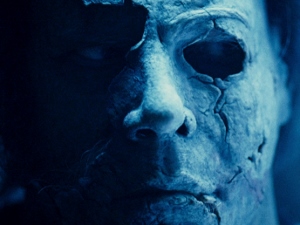
Halloween II (2009)
[2]
When Rob Zombie re-booted Halloween in 2007, trading Michael Myers’ boogeyman mystique for a more pointed psychological explanation for his behavior, I didn’t hate it. While I much prefer not to see the man behind the mask or to understand his motivations, I thought Zombie’s remake was a somewhat interesting experiment. But his version of Halloween II is a whole different and far worse endeavor.
The Thing (2011)
Maniac (2013)
[6]
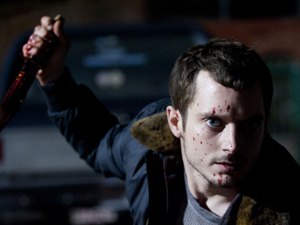
If you wanted to remake William Lustig’s 1980 slasher cornerstone with an abundance of point-of-view shots, you probably couldn’t do a better a job than Franck Khalfoun did with this remake. Maniac is beautiful and imaginative, photographed almost entirely from the killer’s (Elijah Wood’s) point of view. You really only see him in mirrors and other reflective surfaces. On one hand, the conceit is clever and cool, but on the other hand, it ends up being what I’m paying attention to — not the thin storyline or the operatic depiction of its psychologically scarred central character. I think less would have been more where the back story is concerned, and I’m not sure the perpetual POV tactic is the best way to tell this story.