
[7]
After years of experimenting in various film genres, director Alfred Hitchcock finally committed to thrillers and suspense with his seventeenth feature, The Man Who Knew Too Much. A young teen girl (Nova Pilbeam) is kidnapped by spies after her parents (Leslie Banks and Edna Best) discover a plot to assassinate a foreign dignitary. The baddies (led by M‘s Peter Lorre) promise to return the girl after the assassination is successful, but mom and dad aren’t content to sit patiently. They seek out the spies’ hideout and actively try to prevent the murder from happening.
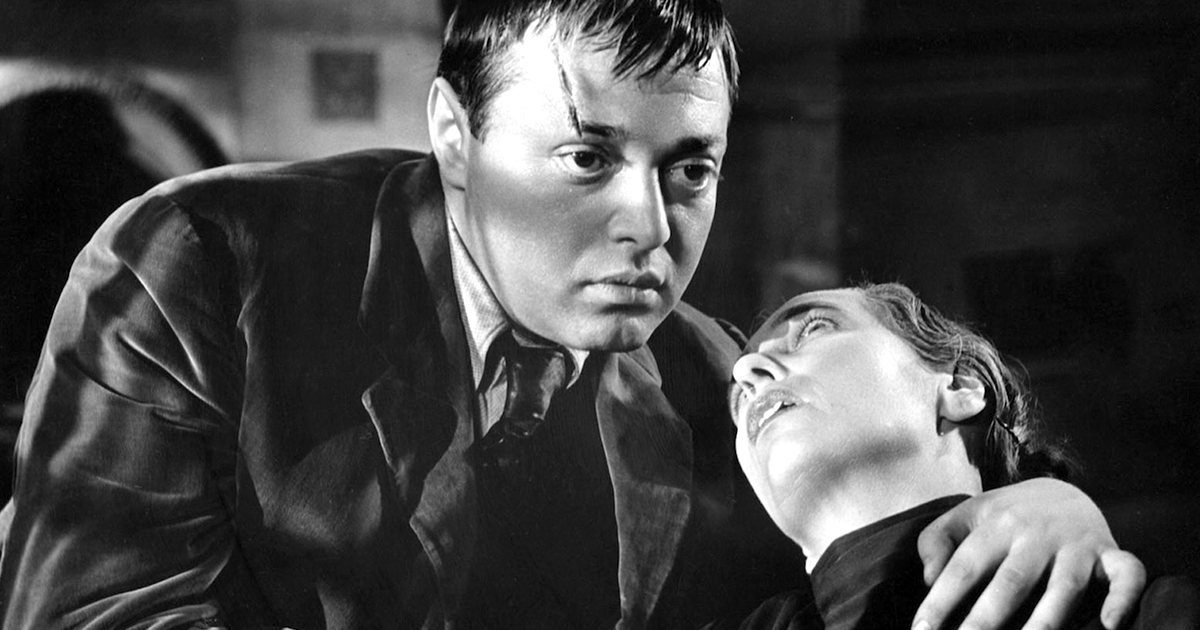
The Man Who Knew Too Much is decidedly much more plot-driven than character-centered, but the script moves quickly and features enough well-staged, set-piece moments to make it Hitchcock’s most entertaining film to date. Highlights include nefarious shenanigans at a dentist’s office, the very famous assassination attempt during a live performance at Royal Albert Hall, and a climactic shootout between Lorre’s goons and the police. There are also some wonderfully understated moments of horror, like the inciting murder scene, in which a man hears a popping sound and doesn’t realize until a moment later that he’s been fatally shot. The cast is serviceable, with Peter Lorre of course leaving the most lasting impression, creepy as always, complete with a scarred brow and a white streak in his hair. The most interesting character exchanges come early, when Hitchcock teases sexual impropriety with Banks’ and Best’s polyamorous relationship with a third character.
With this film, Hitchcock finally decided what kind of filmmaker he wanted to be, and we’re all the better for it. Nearly every film he made afterward would be in the thriller/suspense genre until he eventually earned the title ‘Master of Suspense’. Hitchcock remade the film with Jimmy Stewart and Doris Day in 1956. The remake is good in its own right, with better leads and more refined set-piece execution, but I have to give this original version credit for cutting to the chase and keeping the plot remarkably streamlined in its brisk, 75-minute run time. It may not be among the more psychologically complex Hitchcock films, but the director certainly shows that he’s learned a lot over seventeen films about how to keep audiences watching.
With Frank Vosper, Hugh Wakefield, Cicely Oates, and Pierre Fresnay.