
[4]
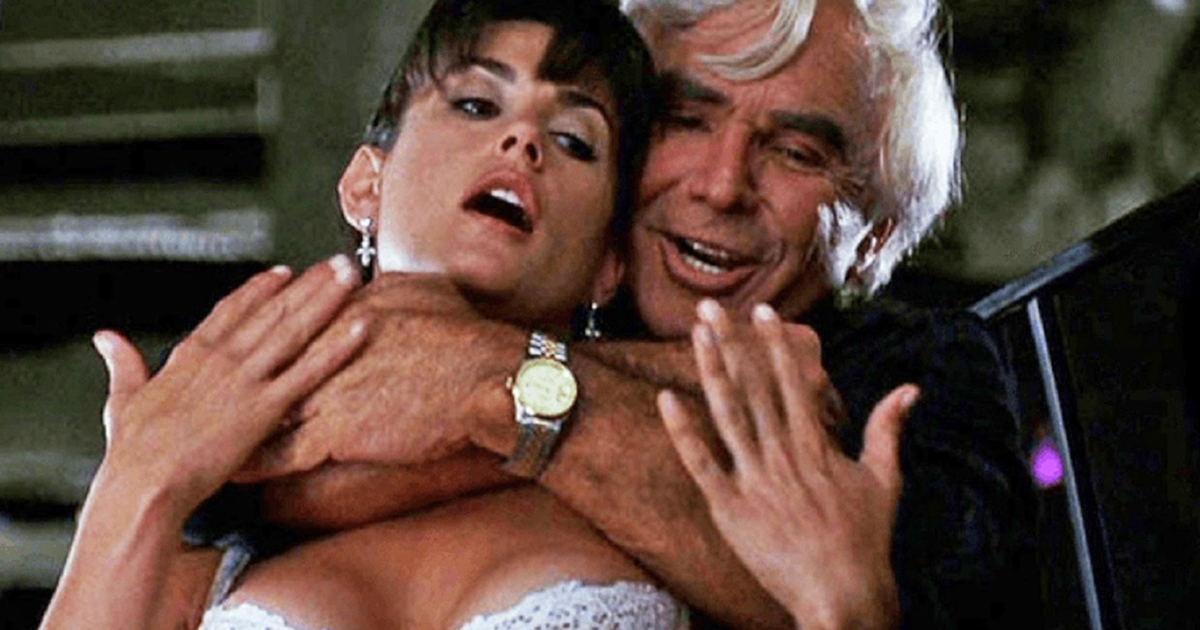
Demi Moore received a whopping $12.5 million to appear topless in this film about a woman who starts strip-dancing to make ends meet after a judge grants full custody of her young daughter (played well by Moore’s real life daughter, Rumer Willis) to her criminal husband (Robert Patrick). While performing, she becomes the object of obsession for a crooked congressman (Burt Reynolds) who starts killing people who threaten to expose his nocturnal pursuits. With the help of the strip club’s trusted bouncer (Ving Rhames) and a police investigator (Armand Assante), Moore’s character attempts to win back her daughter and put the congressman behind bars.
Striptease is not a good movie. Moore plays her part too seriously, while Reynolds plays his role too comedically. The film might have worked as a harder-edged exploitation movie, but writer/director Andrew Bergman’s (The Freshman) attempt to mix the stripping storyline with an earnest custody battle and a sinister political murder plot gives the film a very confused tone. Since we don’t know how seriously to take the film, we end up not caring about Moore’s plight much at all. Without a compelling dramatic center, the film isn’t exciting enough to work as an action movie, and isn’t quite funny enough to succeed as a comedy. At nearly two hours long, the film runs out of steam before the final act and never recovers.
It’s not a total loss, though. If you ever wanted to see Demi Moore’s mammary assets, here you go. They’re featured in approximately three dance numbers. The film’s soundtrack is solid, featuring three or four Annie Lennox hits in addition to tunes by Prince, Joan Jett, Blondie, and Billy Idol. Despite the muddled tone, the film has its funny moments, including a scene when Reynold’s beleaguered handler discovers the congressman covered from head to toe in Vaseline just minutes before he’s supposed to give a speech at a conservative family values conference. Ving Rhames and the women cast as the club’s dancers all do commendably well with their limited roles.
With Paul Guilfoyle, Jerry Grayson, Robert Stanton, and Stuart Pankin.