Casualties of War (1989)
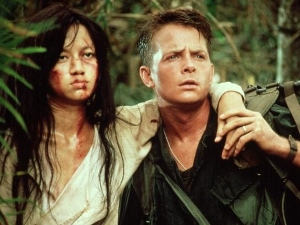
[7] Michael J. Fox stars in this Vietnam War flick from Brian DePalma, but combat isn't the focus here. Fox plays a soldier who puts his life on the line when he tries to free a young Vietnamese woman that…
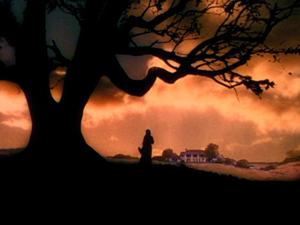
Hollywood’s most celebrated melodrama is still entertaining today. Vivien Leigh does a remarkable job playing one of the most volatile heroines in film history. Scarlet O’Hara begins Margaret Mitchell’s story damned spoiled, and I’m not sure she ever really learns her lesson, but Leigh renders a subtle transformation while always remaining true to character. My other favorites are Olivia de Havilland (sweet in everything she’s in), Hattie McDaniel (who deserved her Oscar), and Butterfly McQueen (for bringing a little comedy to the proceedings). I don’t get Leslie Howard as Ashley. For being the crux of the movie’s romantic triangle, I’d like to have known what was so darned special about him. Max Steiner’s music, especially the Tara theme, is among the most memorable ever composed for film.
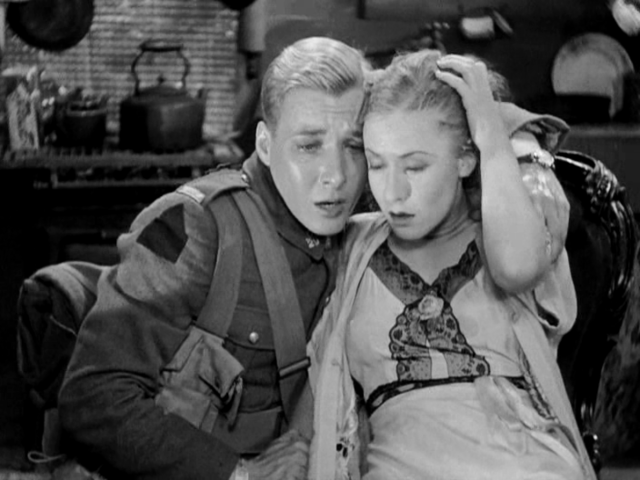
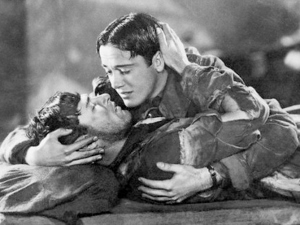
This is the first of at least three film versions of Robert L. Sherwood’s play about an American soldier who falls in love with a Londoner during a World War I air raid, unaware that she is a prostitute. Director James Whale (Frankenstein, The Invisible Man) delivers a solid melodrama with two great lead performers. I was particularly taken with Kent Douglass as Roy. At times, he seemed to display the kind of naturalistic acting style that wouldn’t become popularized until Brando hit the scene decades later. I totally bought Roy’s doe-eyed infatuation with Myra (Mae Clarke), hook, line and sinker. Clark is good with the tremendous amount of pathos the screenplay gives her to work with.
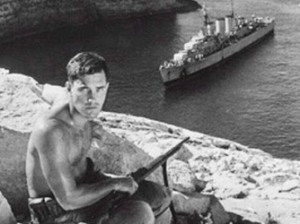
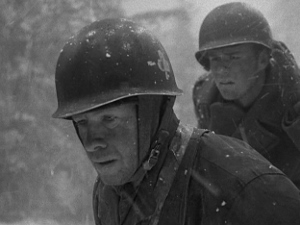
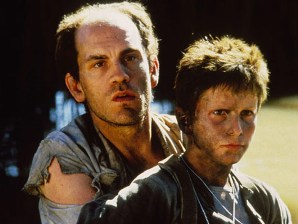
Spielberg explores World War II through the eyes of a young British boy (Christian Bale) separated from his parents in Shanghai and forced to live in a Japanese internment camp. For a director who often celebrates innocence (and sometimes wallows in it), it’s nice to see a darker examination of the subject. In Empire of the Sun, innocence isn’t just lost. It’s almost shattered.Â
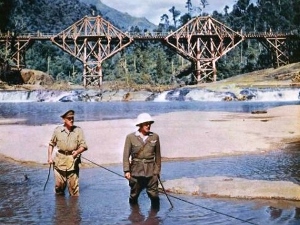
A British colonel (Alec Guinness) leads his fellow POWs in constructing a bridge for their Japanese captors, unaware of the fact that allied forces, guided by a reluctant American (William Holden), have launched a covert mission to destroy it. David Lean’s film zips along remarkably well considering it’s nearly-three-hour running time. The film benefits from its exotic locale, Oscar-winning cinematography, and distinguished performances.
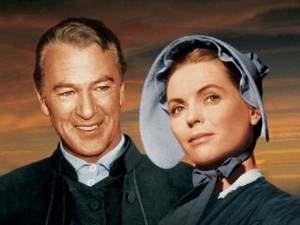
William Wyler directs this story about an Indiana Quaker family trying hard to keep their pacifist faith while the Civil War creeps up on their doorstep. The screenplay makes the period setting completely accessible, skillfully blending comedy and drama with character and substance. I quickly invested in the family, especially Gary Cooper as the father, a man who enjoys horse racing his neighbor to church on Sunday mornings. Dorothy McGuire is beautiful and endearing as his stalwart wife, and Anthony Perkins makes a memorable turn as their oldest son.