Argo (2012)
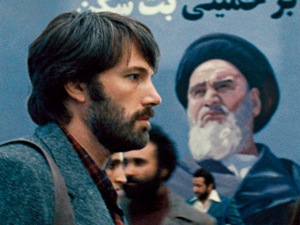
[8] Score another point for Ben Affleck. I never much cared for him as an actor, but between this film and 2007's Gone Baby Gone, the guy has shown us some serious directing chops. Argo is the true story of…
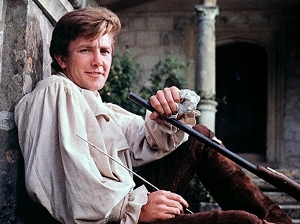
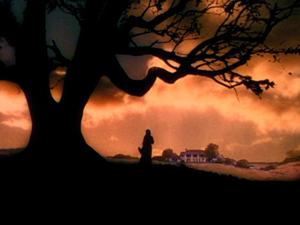
Hollywood’s most celebrated melodrama is still entertaining today. Vivien Leigh does a remarkable job playing one of the most volatile heroines in film history. Scarlet O’Hara begins Margaret Mitchell’s story damned spoiled, and I’m not sure she ever really learns her lesson, but Leigh renders a subtle transformation while always remaining true to character. My other favorites are Olivia de Havilland (sweet in everything she’s in), Hattie McDaniel (who deserved her Oscar), and Butterfly McQueen (for bringing a little comedy to the proceedings). I don’t get Leslie Howard as Ashley. For being the crux of the movie’s romantic triangle, I’d like to have known what was so darned special about him. Max Steiner’s music, especially the Tara theme, is among the most memorable ever composed for film.
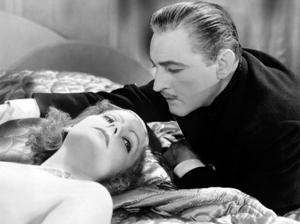
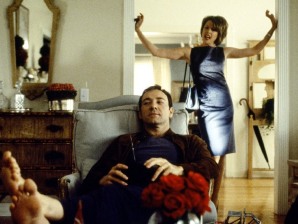
SPOILER REVIEW
I really liked American Beauty when it was first released. Maybe I was wooed by its quirky introspection and aesthetic achievments. Or maybe it was screenwriter Alan Ball’s fresh new way of blending the real with the surreal. Or even the meditative lilt of Thomas Newman’s trend-setting score. But whatever the reason(s), watching the film ten years later, I realize — American Beauty ain’t all that. It’s kinda whack.
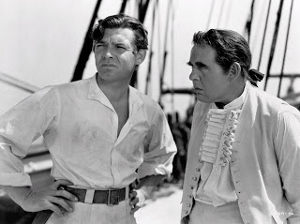
You know you’re in for a harrowing journey when the ship’s captain gives a dead man 300 lashes before the ship even leaves port. Charles Laughton steals the show here as the torturous Captain Bligh, a greedy monster who plays recklessly with the lives of his crew. Clark Gable is charismatic as Fletcher Christian, the man who leads the uprising against Bligh (and without his trademark mustache, since facial hair wasn’t permitted in the Royal Navy). Franchot Tone is very good as Roger Byam, a friend of Christian’s who ultimately sides with Bligh… a decision that nearly costs him his life. All three actors were Oscar-nominated for their roles, and the film won the award for Best Picture.